
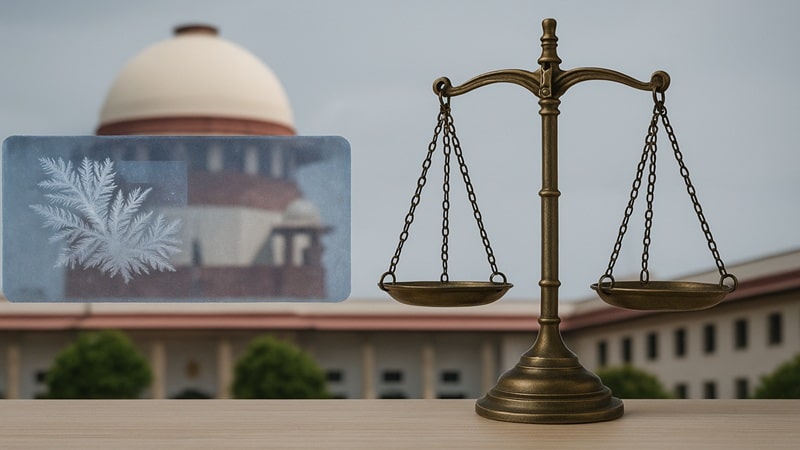
India’s Supreme Court delays iGaming case until January, leaving millions in the country unsure about the legality of the sites they play on.
India’s highest court has postponed the constitutional challenge to the nationwide gaming ban until late January, leaving operators and players stuck in regulatory uncertainty.
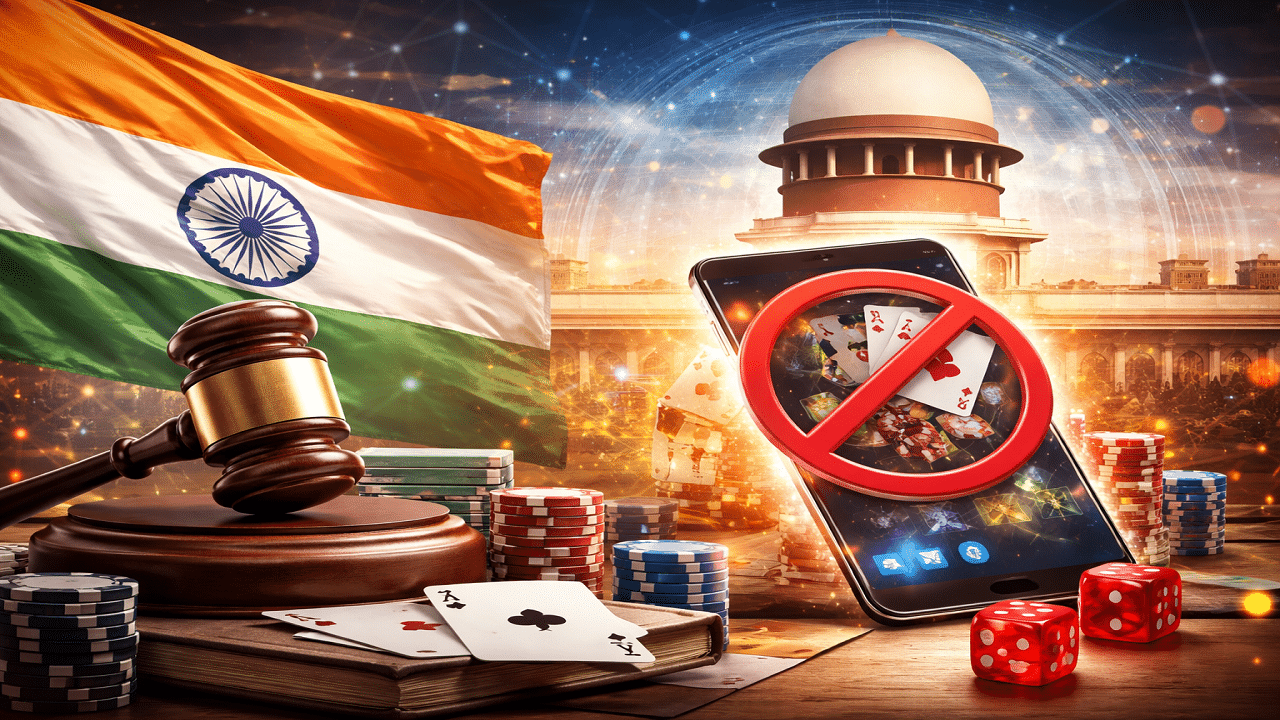
The Supreme Court announced on December 11 that challenges to the Promotion and Regulation of Online Gaming Act (PROGA) require review by a three-judge bench, pushing hearings to January 21, 2026. Chief Justice Surya Kant acknowledged the industry shutdown but stated that the issue will be revised in January, which, for some, is just another blow, as it’s another delay.
This latest gambling news coming out of India affects millions of players in the country, who now face at least five more weeks without legal clarity on whether they can continue betting on platforms that have not yet shut down.
What PROGA Actually Bans
PROGA doesn’t distinguish between skill and chance. The Act prohibits all online games involving monetary stakes, meaning fantasy sports platforms, poker sites, and rummy apps face the same restrictions as traditional casino games.
Operators offering real-money games could face up to three years’ imprisonment plus financial penalties. However, I highly doubt players will be prosecuted if they continue playing on platforms still open online in India.
The law was rushed through parliament in August with minimal debate. While it hasn’t been officially notified, the market has already frozen. Payment gateways have blocked transactions, banks have severed UPI connections, and major platforms have ceased operations.
States vs. Centre Constitutional Battle
Industry groups argue that gambling regulation falls under Entry 34 of the State List in India’s Constitution, giving individual states exclusive power to legislate on betting and gambling. Recent regulatory actions demonstrate the ongoing tension between central and state authorities. The government counters that parliament has full authority to impose a nationwide ban, citing concerns about financial fraud, money laundering, and what they call the ‘unchecked expansion’ of real-money gaming.
According to government data presented to the court, over ₹5,700 crore flowed out of India in 2023-24 through online gaming-related remittances.
Impact on Indian Players: What Happens Now?
If you’re an Indian player, here’s what this delay means for you:
Immediate Effects:
- Most legitimate domestic platforms remain shut
- No timeline for when services might resume
- Increased risk of turning to unlicensed offshore sites
- Continued uncertainty about legal status
According to reports on India’s regulatory challenges, Head Digital Works (operator of A23) told the court that their revenue has been zero for nearly three months while operating costs exceed ₹10 crore monthly. Their workforce dropped from 606 to 178 employees.
Industry Collapse Already Underway
Even without official enforcement, PROGA has triggered a sector-wide shutdown. Detailed analysis from Storyboard18 reveals that banks, payment processors, and advertising platforms have preemptively cut ties with gaming companies to avoid potential legal exposure.
This ‘de facto enforcement’ has caused:
- Asset seizures
- Banking relationships terminated
- UPI facilities blocked
- Advertising channels suspended
- WhatsApp business accounts frozen
Several companies have entered insolvency proceedings. Previous warnings about black market risks appear increasingly prescient as legitimate operators exit the market.
What January’s Ruling Could Determine
The three-judge bench will address whether the Union government, individual states, or both can regulate real-money online gaming. This ruling will shape:
- Licensing frameworks
- Taxation structures
- Enforcement mechanisms
- Foreign investment viability
- Employment in the sector
A 2024 FICCI-EY report projected India’s online gaming users would reach 517 million by end-2025, but the current ban has frozen this growth trajectory.
Casinoplusbonus Opinion
This case presents a genuine constitutional dilemma that affects millions of Indian players and hundreds of thousands of workers. If the court upholds parliament’s authority, the ban remains in effect indefinitely, forcing players to choose between quitting entirely or risking access to unlicensed international sites. If the court sides with states’ rights, India could see a patchwork of regulations, some states allowing gaming with proper safeguards, others maintaining bans. Neither outcome addresses the fundamental challenge of protecting consumers while respecting their freedoms.
The ideal solution likely requires collaboration between central and state governments to create a regulated framework with robust consumer protections, age verification, spending limits, and addiction support, rather than an outright prohibition that simply drives the activity underground.





















Leave A Comment