
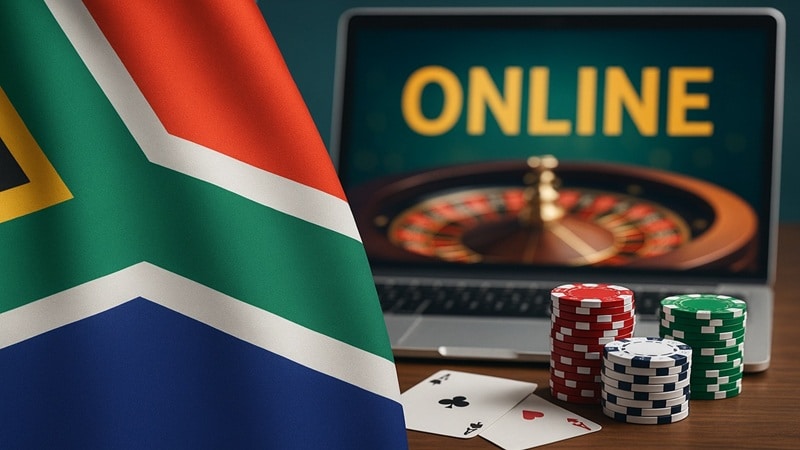
South Africa announces major gambling advertising crackdown as online betting grows 51% and problem gambling cases surge.
Do you participate in online gambling in South Africa?
If so, have you seen a rise in gambling ads in the country? You're not alone, as regulators are now stepping in to address what some are calling an advertising crisis.
Whether ‘crisis' is the right word, I am not sure, but I've seen a rise in advertising, and, of course, I should notice it because I am also an iGaming journalist.
It's also not a surprise to me. South Africa's gambling industry generated R59.3 billion in revenue during 2023-2024, with online betting growing 51%.
That growth has triggered alarm bells among policymakers, prompting proposals that will directly affect how you see and interact with gambling platforms.
In a July report, I wrote about South African Online Gamblers Wagering R1.14 trillion, so there's no doubt that gambling is growing in popularity in the country, which has led the government to look into the influence of gambling advertising on the rise in gambling.
Source: I sourced the majority of the news for this article from several publications, with the main one being the Mail & Guardian – South Africa’s online gambling scourge underscores need to regulate adverts.
What's Driving the Regulatory Push?
Betting contributed R35.9 billion (60.5%) of total gambling revenue, while traditional casinos generated only R17.4 billion. This shift toward online platforms has created an advertising free-for-all, with South Africans bombarded by gambling promotions across television, radio, social media, and sports sponsorships. Problem gambling cases surged from 375 people seeking help in 2020-2021 to 2,997 in 2023-2024.
That's an eightfold increase that has prompted both government and opposition parties to demand immediate action. Research suggests that social grant recipients and students funded through the National Student Financial Aid Scheme are using their allowances for online gambling rather than essentials.
Mzansi's Seven-Point Plan & National Gambling Board's Enforcement Plans
Political party Rise Mzansi has proposed limiting advertising hours, raising provincial gambling taxes to at least 8%, compelling operators to allocate 40% of marketing spend to responsible gambling promotion, and imposing strict controls on influencer marketing and sports sponsorships.
For you as a player, expect gambling advertisements to be restricted to specific hours, likely after 11 pm. Morning and drive-time radio shows will be off-limits for betting promotions. The proposed 8% provincial tax increase could affect operator margins, potentially impacting promotional offers. However, the 40% marketing budget requirement means better access to responsible gambling support services and education programs. Social media gambling promotions through influencers will face tighter scrutiny. The National Gambling Board is working with the Advertising Standards Board to create new advertising codes ensuring licensed operators “advertise in the right places, where they are licensed, making sure they advertise where there are no kids” and avoid “misleading messages“.
The Board is also targeting unlicensed international operators, which is a move that could reduce your access to offshore platforms but offers better consumer protection through regulated local alternatives.
Rise Mzansi chief organizer Makashule Gana noted that “there is acceptance by players, by the operators themselves” that advertising “needs to be moderated”. This suggests the industry may cooperate with regulatory changes. While legislation changes take time, advertising restrictions could be implemented relatively quickly through regulatory amendments. For South African players, this means increased blocking of offshore sites and stronger enforcement against unlicensed platforms.
The gambling sector created approximately 14,000 formal jobs, but economist Casey Sprakes warned that “the same digital accessibility driving growth is also amplifying social risks, particularly as a source of financial strain among vulnerable groups“.
Casinoplusbonus Opinion
The proposed reforms present a necessary balancing act. South African players deserve protection from predatory advertising practices, especially when vulnerable groups like students are diverting essential funds toward gambling. The eight-fold increase in problem gambling cases and R1.5 trillion in annual wagers from this gambling news suggest the current system isn't working. However, the industry provides thousands of jobs and generates tax revenue. The challenge is implementing smart regulations that protect consumers without destroying a legitimate industry or pushing players toward unregulated offshore sites where they have zero protection.
The 40% responsible gambling spend requirement could genuinely help, while time-restricted advertising seems reasonable, that is assuming enforcement is consistent, which South Africa doesn't have the best record with enforcing much, speaking from personal experience, so let's see.


